
The Step-by-Step Plot Buying & Registration Process in Karnataka
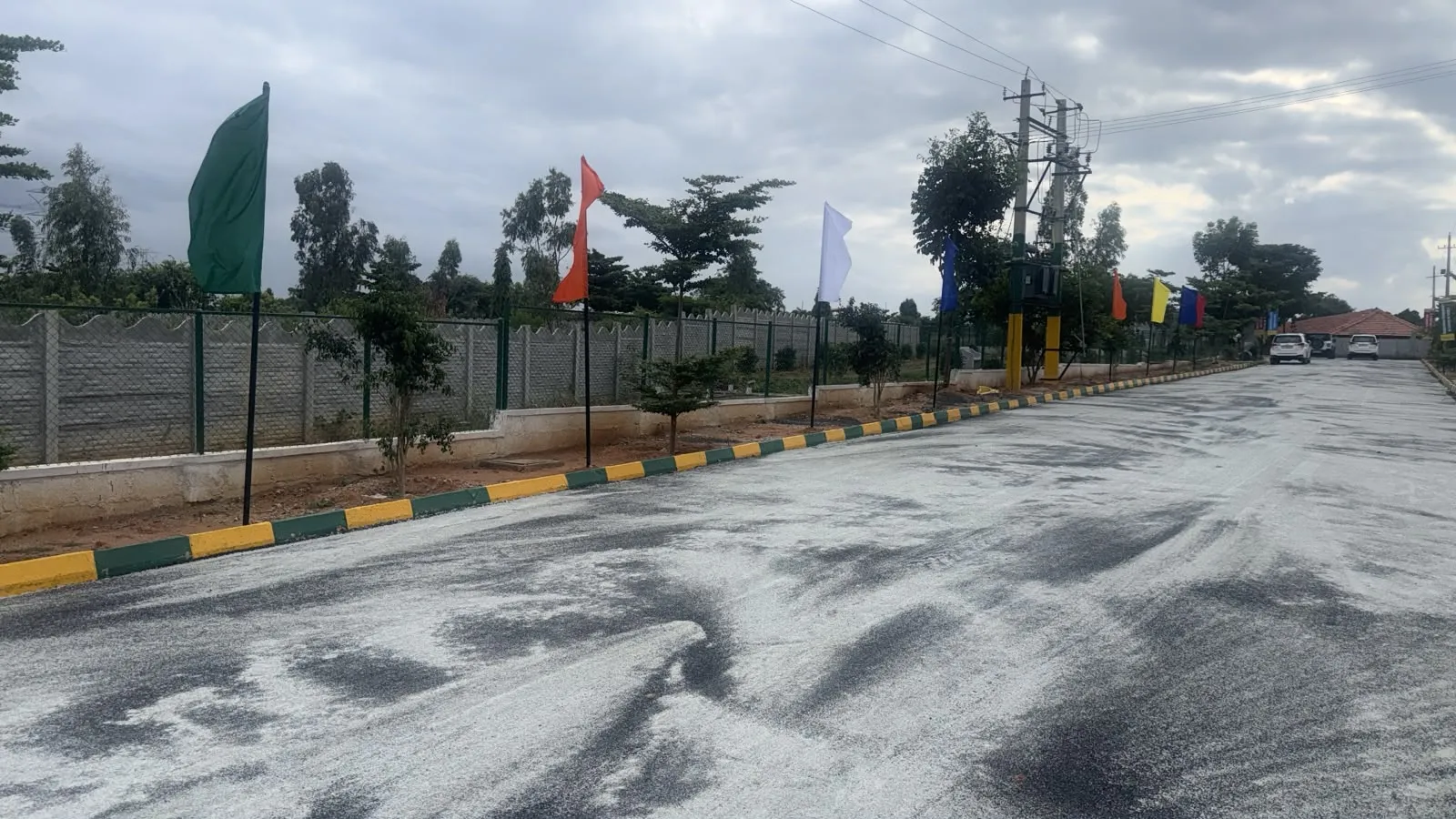
Navigating the Karnataka Land Buying Journey
Purchasing residential land is one of the most rewarding financial milestones you can achieve. However, navigating land revenue acts, legal document verification, and the state's modern Kaveri 2.0 digital registration system requires a clear, structured roadmap.
Here is the exact step-by-step procedure followed by seasoned investors and guided by Niketh Estates.
Step 1: Verification of Land & Title Credentials
Before placing any financial deposit, execute a formal legal scrutiny with an experienced property lawyer: - Title Flow (Mother Deed): Trace the chain of title transfers for the past 30 to 40 years to ensure clean inheritance or sale lineages. - Conversion Order: Ensure agricultural land was legally converted to residential use by the Deputy Commissioner (DC Conversion). - DTCP Approval: Verify that the layout map matches the physical site, including designated road widths, parks, and civic amenity plots. - Encumbrance Certificate (EC): Obtain Form 15 spanning minimum 30 years from the sub-registrar office to ensure no undisclosed mortgages exist.
Step 2: The Agreement of Sale
Once legal scrutiny is satisfied, both parties enter into a formal Agreement of Sale: - Outlines total agreed consideration, token advance, and payment milestones. - Sets a clear timeline (typically 30 to 60 days) for balance settlement and registration. - Binds the developer to deliver original documents, Khata certificates, and physical plot possession.
Step 3: Loan Processing & Bank Sanction
If availing a plot loan, submit the Agreement of Sale alongside the developer's legal file to your lending institution (e.g. SBI, HDFC, ICICI). The bank will dispatch its independent legal and technical teams to inspect the layout before sanctioning up to 75% of the plot cost.
Step 4: Digital Pre-Registration via Kaveri 2.0
Karnataka's digital property portal Kaveri 2.0 has modernized the registration process: - Upload draft sale deed, identity proofs (Aadhaar & PAN), and property survey numbers online. - Pay the requisite government stamp duty and registration fees securely via netbanking/e-challan. - Book a dedicated 15-minute appointment slot at the jurisdiction Sub-Registrar office.
Stamp Duty Breakdown in Karnataka: - **Stamp Duty:** Typically 5% of guidance value or sale value (whichever is higher). - **Cess & Surcharge:** Approximately 0.6% combined. - **Registration Charges:** Fixed 2% of the registered property valuation.
Step 5: Sub-Registrar Office Execution
On the appointment day: - Buyer and seller (or authorized developer signatory) appear with two independent witnesses. - Digital biometric fingerprint scans and high-resolution photographs are captured on Kaveri 2.0. - The Sub-Registrar reviews the deed and executes the final registered Sale Deed on the spot.
Step 6: Physical Possession & Khata Mutation
Immediately following registration: 1. Take Site Possession: Ensure corner boundary stones are cemented and physical boundaries are demarcated. 2. Khata Transfer (Mutation): Apply through the local panchayat or municipal office to update the revenue account in your name, enabling you to pay annual property tax.
Niketh Estates provides complete hand-holding across every single one of these milestones.
Common Questions & Practical Answers
From shortlisting to registration, commonly a few weeks to a couple of months, depending on documentation readiness and loan processing time.
Yes — many buyers purchase outright, which also simplifies the process since loan eligibility checks aren't needed.
Skipping independent document verification because the developer's reputation or price seems reassuring — always verify DTCP approval and Khata status yourself.
Recommended Opportunities & Locations
Bhumika Panorama Enclave
DTCP approved villa plots from ₹3,499/sq.ft
Invest in Narasapura
40-45 mins (45 km via STRR) • Industrial Hub
Speak to Our Legal Advisor
Get free legal scrutiny support and DTCP guidance for your plot purchase.